

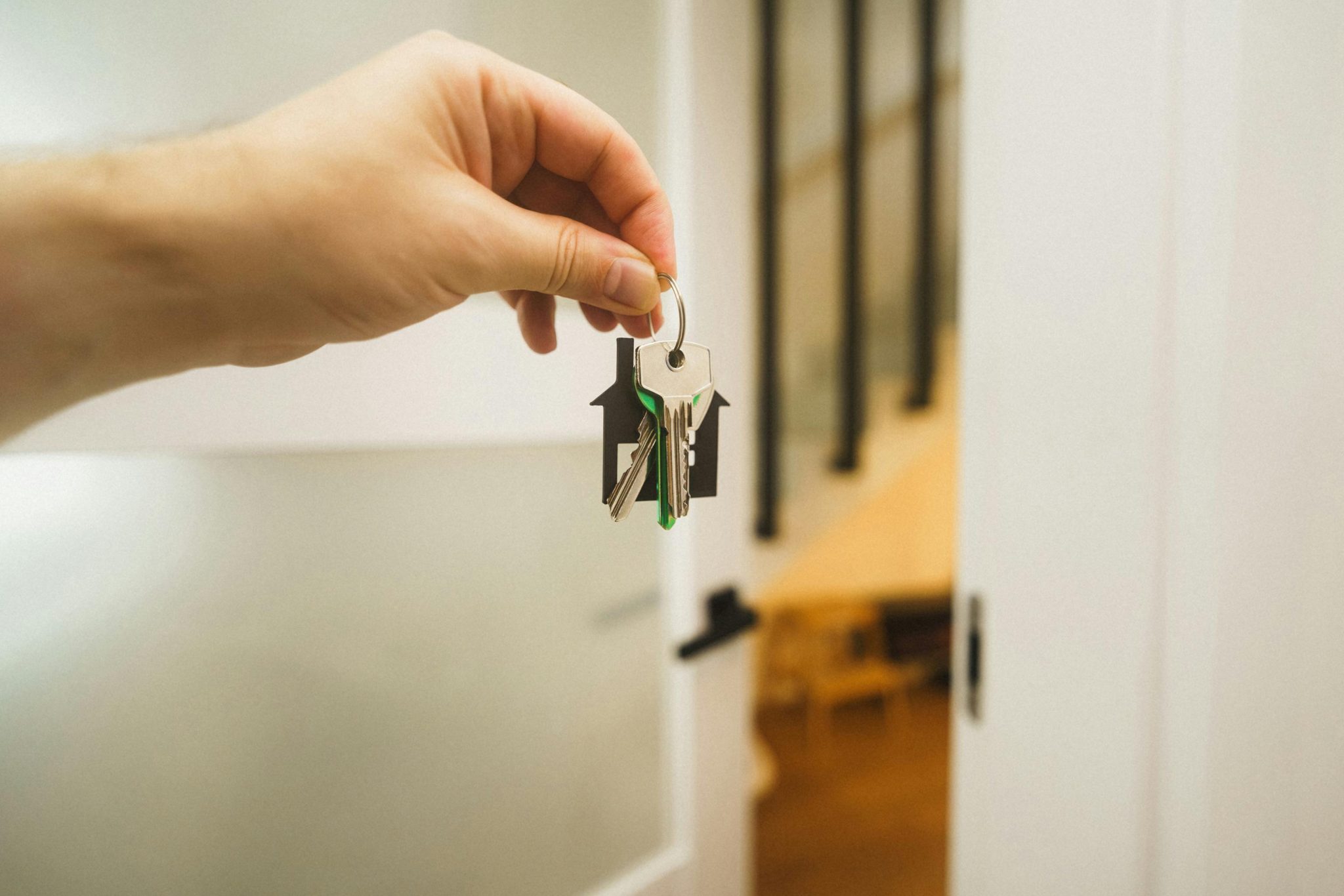
Buying your first home is one of the biggest financial and emotional decisions you’ll ever make. It’s not just about finding a property you love—it’s about ensuring the timing is right for both your personal circumstances and the housing market. Knowing when to make the leap can help you avoid unnecessary stress and set yourself up for long-term stability.
1. Assess Your Financial Readiness
The first step in determining the right time is to evaluate your financial health. Key considerations include:
Stable Income:** Are you in a secure job or career path that provides steady earnings?
Down Payment Savings:** Do you have at least 5–20% of the home price saved for a down payment, plus closing costs?
Debt Management:** Is your debt-to-income ratio low enough to comfortably handle mortgage payments?
Emergency Fund:** Do you have three to six months of living expenses saved as a safety net?
If these boxes aren’t checked yet, waiting may be the wiser choice.
2. Understand the Housing Market
Markets move in cycles, and timing your purchase can make a significant difference. Look for:
Interest Rates:** Lower mortgage rates reduce your monthly payments.
Home Prices:** Are prices rising quickly, stabilizing, or showing signs of cooling?
inventory Levels:** A higher number of listings can give you more choice and negotiating power.
While it’s nearly impossible to “time the market perfectly,” keeping an eye on these trends can help you avoid buying at a peak.
3. Consider Your Lifestyle and Future Plans
Beyond finances, your personal goals matter. Ask yourself:
* Do you plan to stay in the area for at least 5–7 years?
* Are you ready for the responsibilities of homeownership—maintenance, repairs, property taxes?
* Does the home you’re considering align with your long-term needs, such as space for family or proximity to work?
If your life is still in transition—such as pursuing further education, relocating for work, or uncertain about family plans—it might be best to wait.
4. Emotional Readiness Matters Too
Buying a home is not only a financial transaction but also an emotional commitment. Feeling pressured by friends, family, or market “FOMO” (fear of missing out) can lead to rushed decisions. The right time is when you feel confident, informed, and ready to take on the responsibility.
5. Work with Professionals
A trusted real estate agent, mortgage broker, or financial advisor can help you assess both your readiness and the market conditions. Their guidance ensures you don’t navigate the process alone.
—
Final Thoughts
There’s no universal “perfect time” to buy your first home. The right moment is when your finances are stable, the market conditions are favorable enough, and your lifestyle supports the transition into homeownership. Waiting until those pieces align may take patience, but it will help turn your first home purchase into a foundation for long-term success.